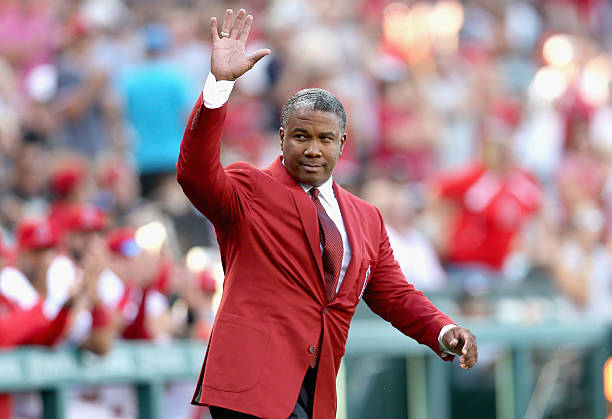

Introduction to Spike Lee
Spike Lee stands as one of the most influential filmmakers in modern history. For over four decades, Spike Lee has used cinema as a mirror to society, reflecting truths that many prefer to ignore. His films aren’t just entertainment; they’re conversations, debates, and sometimes uncomfortable questions wrapped in compelling stories. From Brooklyn streets to global film festivals, Spike Lee’s name commands respect.
What makes Spike Lee exceptional is his courage. He doesn’t play it safe. Instead, Spike Lee confronts racism, inequality, politics, and identity head-on. His work resonates because it feels real, lived-in, and urgent. Even today, Spike Lee remains relevant, proving that powerful storytelling never goes out of style.
In this article, we’ll explore Spike Lee’s journey, creative genius, cultural influence, and lasting legacy. Whether you’re a film student, a casual viewer, or a cultural critic, understanding Spike Lee means understanding modern cinema itself.
Early Life and Education
Childhood Influences
Spike Lee was born Shelton Jackson Lee on March 20, 1957, in Atlanta, Georgia, and raised in Brooklyn, New York. Growing up in a culturally rich household shaped Spike Lee’s worldview early on. His father, Bill Lee, was a jazz musician, and his mother, Jacqueline Carroll, was a teacher of arts and literature. This blend of music and education deeply influenced Spike Lee’s creative instincts.
Brooklyn wasn’t just a backdrop for Spike Lee; it was a character. The neighborhood’s energy, struggles, humor, and resilience later became central themes in Spike Lee’s films. From an early age, Spike Lee observed racial tensions, economic disparities, and community strength. These experiences became the emotional foundation of his storytelling.
Film School Journey
Spike Lee attended Morehouse College, a historically Black institution, where he first experimented with filmmaking. His student film, Last Hustle in Brooklyn, hinted at the bold voice that would later define Spike Lee’s career. He then pursued a Master of Fine Arts at NYU’s Tisch School of the Arts.
At NYU, Spike Lee refined his craft and developed a unique narrative style. His thesis film, Joe’s Bed-Stuy Barbershop: We Cut Heads, won a Student Academy Award. This achievement marked Spike Lee as a rising talent and opened doors that many aspiring filmmakers only dream of.
Spike Lee’s Breakthrough in Cinema
She’s Gotta Have It
Spike Lee’s first feature film, She’s Gotta Have It (1986), changed independent cinema forever. Made on a modest budget, the film explored sexuality, independence, and gender roles through the story of Nola Darling. Spike Lee didn’t follow Hollywood formulas, and that’s exactly why the film succeeded.
The movie’s commercial and critical success proved that independent Black filmmakers could thrive outside the studio system. Spike Lee became a symbol of creative freedom, inspiring a generation of storytellers to pick up a camera and tell their truth.
Do the Right Thing
If She’s Gotta Have It introduced Spike Lee, Do the Right Thing (1989) cemented his legacy. Set on the hottest day of the year in Brooklyn, the film tackles racism, police brutality, and community conflict with unflinching honesty.
Spike Lee used vibrant colors, dynamic camera movements, and powerful performances to create a film that still feels relevant today. Do the Right Thing wasn’t just a movie; it was a cultural moment. Critics debated it, audiences argued about it, and Spike Lee proved that cinema could spark national conversations.
Signature Style and Storytelling
Visual Techniques
Spike Lee’s visual style is instantly recognizable. One of his most famous techniques, the “double dolly shot,” creates a dreamlike effect that pulls viewers into a character’s emotional state. Spike Lee uses bold colors, direct-to-camera monologues, and stylized framing to break traditional storytelling rules.
These techniques aren’t gimmicks. They serve a purpose. Spike Lee wants audiences to feel, not just watch. His visuals challenge comfort zones and force engagement, making his films unforgettable.
Music and Dialogue
Music plays a crucial role in Spike Lee’s films. Collaborating frequently with composer Terence Blanchard, Spike Lee blends jazz, hip-hop, and classical sounds to enhance emotional depth. Songs aren’t background noise; they’re storytelling tools.
Dialogue is another Spike Lee hallmark. His characters speak with authenticity, humor, and raw emotion. Conversations feel real, sometimes messy, but always meaningful. Spike Lee’s writing captures the rhythm of everyday life, making his stories relatable and powerful.
Cultural and Social Impact
Race and Identity
Spike Lee has never shied away from discussing race. His films explore what it means to be Black in America, addressing systemic racism, colorism, and cultural pride. Spike Lee doesn’t offer easy answers, but he asks the right questions.
Movies like Malcolm X, BlacKkKlansman, and Jungle Fever challenge stereotypes and encourage self-reflection. Spike Lee’s work has educated audiences worldwide, making complex issues accessible through storytelling.
Political Commentary
Spike Lee’s films often reflect the political climate of their time. Whether critiquing government policies or exposing social injustices, Spike Lee uses cinema as a form of activism. BlacKkKlansman connected historical racism to modern realities, earning critical acclaim and sparking renewed discussions about hate and extremism.
Spike Lee understands that art and politics are intertwined. His films remind viewers that silence is complicity and that storytelling can be a powerful tool for change.
Awards, Recognition, and Legacy
Oscars and Honors
After years of being overlooked, Spike Lee received an Academy Award for Best Adapted Screenplay for BlacKkKlansman. He later earned an honorary Oscar for his lifetime contributions to cinema. These honors recognized what audiences already knew: Spike Lee is a master filmmaker.
In addition to Oscars, Spike Lee has received awards from Cannes, BAFTA, and numerous film organizations. His influence extends beyond trophies; it lives in the conversations his films continue to inspire.
Influence on New Filmmakers
Spike Lee paved the way for countless filmmakers of color. Directors like Jordan Peele, Ava DuVernay, and Ryan Coogler have cited Spike Lee as a major influence. His success proved that diverse stories matter and that audiences are hungry for authenticity.
Through teaching, mentoring, and producing, Spike Lee continues to shape the future of cinema. His legacy isn’t just in his films but in the doors he’s opened for others.
For more historical context, you can explore Spike Lee’s biography on Britannica: https://www.britannica.com/biography/Spike-Lee
FAQs About Spike Lee
1. Why is Spike Lee famous?
Spike Lee is famous for his bold films that address race, politics, and social justice while redefining independent cinema.
2. What is Spike Lee’s most popular movie?
Do the Right Thing is widely considered Spike Lee’s most influential and iconic film.
3. Has Spike Lee won an Oscar?
Yes, Spike Lee won an Academy Award for BlacKkKlansman and received an honorary Oscar for lifetime achievement.
4. What themes does Spike Lee explore?
Spike Lee frequently explores race, identity, inequality, politics, and community dynamics.
5. Is Spike Lee still making movies?
Yes, Spike Lee remains active in filmmaking, producing and directing projects that reflect contemporary issues.
6. How has Spike Lee influenced modern cinema?
Spike Lee inspired a generation of filmmakers to tell authentic stories and challenge Hollywood norms.
Conclusion
Spike Lee’s impact on cinema is undeniable. Through fearless storytelling, innovative techniques, and unwavering commitment to truth, Spike Lee changed how stories are told and who gets to tell them. His films continue to educate, challenge, and inspire audiences worldwide.
As cinema evolves, Spike Lee’s voice remains essential. He reminds us that art has power, stories matter, and change begins with honest conversations. Spike Lee isn’t just a filmmaker; he’s a cultural force whose vision will influence generations to come.