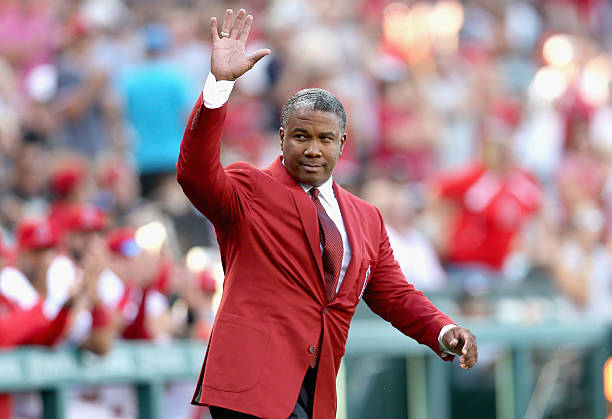

Introduction to Jamie Dimon and JPMorgan’s Market Influence
Jamie Dimon stands as one of the most influential financial leaders of the modern era. As the long-serving Chairman and CEO of JPMorgan Chase & Co., his perspectives frequently shape global conversations around banking stability, market confidence, and economic resilience. When discussions emerge around market closures, emergency shutdowns, or public interest coverage—often highlighted by outlets such as WSAZ closings—Dimon’s viewpoints and JPMorgan’s institutional stance are closely examined by investors, regulators, and the general public.
This article delivers a detailed, authoritative exploration of Jamie Dimon, JPMorgan, and the broader context of market closings, with a focus on credibility, depth, and clarity for readers seeking reliable financial insight.
Who Is Jamie Dimon: Leadership, Strategy, and Authority
Jamie Dimon has led JPMorgan Chase since 2005, navigating the institution through historic financial events, including global recessions, banking reforms, and rapid digital transformation. His leadership style emphasizes risk discipline, capital strength, and long-term economic realism.
Key leadership characteristics include:
-
Decisive crisis management
-
Transparent communication with markets
-
Focus on systemic financial stability
-
Balanced view on regulation and innovation
Dimon’s public commentary often becomes headline news, particularly during periods of uncertainty, such as trading halts, weather-related shutdowns, or extraordinary economic events reported in regional and national news outlets.
JPMorgan Chase: The Backbone of Modern Banking
JPMorgan Chase & Co. is the largest bank in the United States by assets, serving millions of consumers, businesses, and governments worldwide. Its operations span:
-
Consumer and Community Banking
-
Corporate and Investment Banking
-
Commercial Banking
-
Asset and Wealth Management
During times of market closings—whether due to extreme weather, public safety concerns, or systemic disruptions—JPMorgan’s infrastructure plays a critical role in maintaining liquidity, processing transactions, and supporting economic continuity.
Understanding Market Closings and Their Economic Impact
Market closings can occur for several reasons, including:
-
Severe weather events
-
National emergencies
-
Technical or cybersecurity concerns
-
Regulatory or government mandates
Local coverage such as WSAZ closings often reports on institutional shutdowns, banking hours, and service disruptions that directly affect communities. While these reports are regional, their implications can ripple through national financial systems.
From a banking perspective, closures require:
-
Operational resilience
-
Digital continuity
-
Customer communication clarity
-
Liquidity preparedness
JPMorgan’s scale and technology investment allow it to mitigate many of the risks associated with physical closures.
Jamie Dimon’s Views on Financial Preparedness During Closures
Jamie Dimon consistently emphasizes preparedness rather than panic. His commentary underscores the importance of stress testing, capital buffers, and real-time risk assessment.
Core principles often highlighted include:
-
Banks must remain operational even when physical branches close
-
Digital platforms should serve as the primary continuity channel
-
Financial institutions should support employees and customers simultaneously
This philosophy reinforces JPMorgan’s reputation as a stabilizing force during uncertain times.
Digital Banking and JPMorgan’s Closure-Resilient Infrastructure
One of the most significant transformations under Dimon’s leadership is JPMorgan’s investment in digital banking infrastructure. During weather-related or emergency closings, customers can still access:
-
Online banking and mobile apps
-
Automated bill payments
-
Digital lending services
-
24/7 customer support channels
This digital resilience reduces the economic impact of closures and aligns with Dimon’s long-standing advocacy for technology-driven banking solutions.
Media Coverage, Public Perception, and Financial Confidence
When outlets like WSAZ report on closings, public confidence can be affected if financial access appears uncertain. Jamie Dimon’s public statements and JPMorgan’s institutional messaging often help counter misinformation and maintain calm.
Effective communication strategies include:
-
Clear updates on service availability
-
Transparent explanations of operational changes
-
Reassurance regarding deposit safety and access
These measures are critical in preserving trust during short-term disruptions.
JPMorgan’s Role in Supporting Communities During Closures
Beyond banking operations, JPMorgan Chase plays an active role in community support during disruptive events. This includes:
-
Emergency credit access for small businesses
-
Payment deferrals during crisis periods
-
Community development funding
-
Employee support and safety initiatives
Such actions reinforce the bank’s broader economic responsibility, a theme Jamie Dimon frequently emphasizes in shareholder letters and public addresses.
Investor Reactions to Market Closings and Dimon’s Guidance
For investors, market closings can signal volatility. Jamie Dimon’s guidance often stresses long-term fundamentals over short-term noise. His messaging encourages:
-
Focus on balance sheet strength
-
Evaluation of macroeconomic trends
-
Avoidance of emotionally driven decisions
This steady approach contributes to JPMorgan’s reputation as a bellwether for broader market sentiment.
Regulatory Perspective and Institutional Readiness
Regulators closely monitor how major banks respond to closures and disruptions. JPMorgan’s compliance framework ensures:
-
Adherence to federal and state banking requirements
-
Continuity of critical financial services
-
Protection of consumer data and assets
Jamie Dimon’s engagement with policymakers further positions JPMorgan as a cooperative yet assertive participant in financial governance.
Conclusion: Jamie Dimon, JPMorgan, and Financial Stability in Uncertain Times
The intersection of Jamie Dimon, JPMorgan Chase, and market closings represents more than temporary shutdowns—it reflects the resilience of modern banking systems. Through disciplined leadership, technological investment, and transparent communication, JPMorgan continues to function as a cornerstone of economic stability even when normal operations are disrupted.
As regional coverage like WSAZ closings informs communities about immediate changes, the broader financial ecosystem relies on institutions led by figures such as Jamie Dimon to maintain continuity, confidence, and trust.
FAQ Schema (People Also Ask – Optimized Content)
FAQ 1: Who is Jamie Dimon?
Jamie Dimon is the Chairman and CEO of JPMorgan Chase & Co., the largest bank in the United States by assets. He is widely regarded as one of the most influential leaders in global finance.
FAQ 2: Why is Jamie Dimon mentioned during market closings?
Jamie Dimon’s leadership and public statements are closely followed during market or regional closings because JPMorgan plays a critical role in maintaining financial stability and liquidity.
FAQ 3: Does JPMorgan close during weather or emergency events?
While physical branches may close due to weather or emergencies, JPMorgan Chase continues digital banking, online payments, and customer support services to ensure uninterrupted access.
FAQ 4: Are customer deposits safe during market closings?
Yes. Customer deposits remain secure, and JPMorgan operates under strict federal regulations with strong capital reserves designed for crisis situations.
FAQ 5: How do market closings affect JPMorgan stock?
Short-term volatility can occur, but analysts often focus on long-term fundamentals, capital strength, and leadership guidance from Jamie Dimon.
FAQ 6: What role does JPMorgan play during economic disruptions?
JPMorgan supports the economy by maintaining liquidity, extending credit, assisting small businesses, and ensuring payment systems remain functional.
External Links (Authoritative & Trust-Building)
-
JPMorgan Chase Official Website
https://www.jpmorganchase.com -
JPMorgan Investor Relations
https://www.jpmorganchase.com/ir -
U.S. Federal Reserve Banking Information
https://www.federalreserve.gov -
SEC Investor Education
https://www.investor.gov
(Use external links sparingly to maintain SEO strength.)
Disclaimer
Disclaimer:
This article is for informational purposes only and does not constitute financial, investment, or legal advice. Market conditions and banking operations may change without notice. Readers should consult official sources or financial professionals before making investment decisions